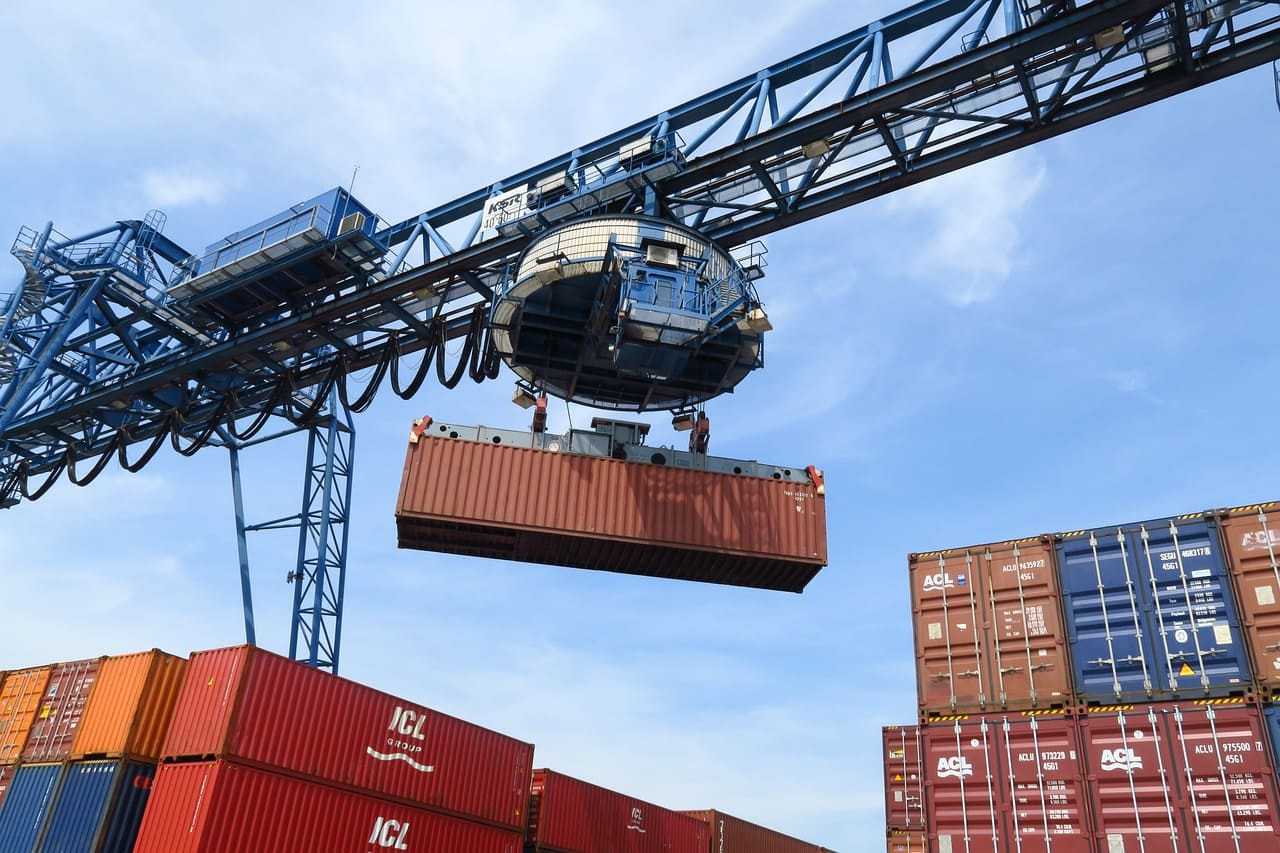
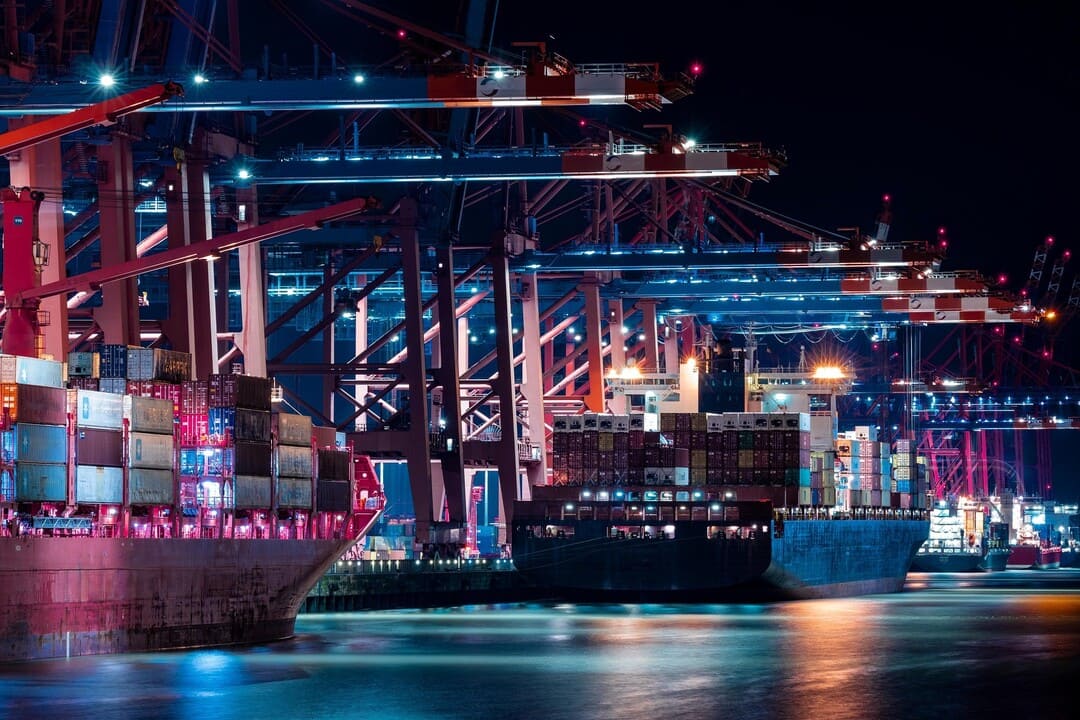
Our industry-leading freight team has played a key role in the internationalisation of the Shanghai container freight futures market, the premier trading venue for hedging freight rate risk. BANDS provides access to the electronically-traded INE EC and Euronext contracts as well as the inter-dealer FFA and container freight futures markets on the SGX, ICE and CME.
It looks like your browser is blocking embedded LinkedIn posts. To view the content, you may need to disable your ad blocker.
It looks like your browser is blocking embedded LinkedIn posts. To view the content, you may need to disable your ad blocker.
It looks like your browser is blocking embedded LinkedIn posts. To view the content, you may need to disable your ad blocker.
INE SCFIS Container Freight Futures
The Shanghai International Energy Exchange (INE) launched its Containerized Freight Index (Europe Service) Futures in August 2023, aiming to create a reliable benchmark for the Shanghai-North Europe route.
Commonly referred to as CoFIF (Container Freight Index Futures) or by its exchange code, EC, this cash-settled contract is anchored to the Shanghai Shipping Exchange (SSE) Shanghai Export Containerized Freight Index based on Settled Rates (SCFIS).
The index reflects actual rates paid for containers shipped from Shanghai to Hamburg, Rotterdam, Antwerp, Felixstowe, and Le Havre, with prices reported to the SSE after vessel departure.
By linking final settlement prices to real spot market transactions, the contract provides market participants with a transparent, liquid, and efficient hedging tool, directly aligned with the underlying physical freight market.
Baltic FFA & Container Freight Index Futures
The Baltic Exchange stands as a leading provider of independent benchmarks for maritime shipping, including the well-known Baltic Dry Index (BDI) and container freight indices.
Forward Freight Agreements (FFA) serve as essential risk management tools, allowing market participants to hedge against fluctuations in freight rates. FFAs based on Baltic Exchange indices are widely used in bulk freight shipping and logistics.
Additionally, in partnership with Freightos, the Baltic Exchange publishes the Freightos Baltic Index (FBX), which tracks spot rates for container shipping across major trade routes.
BANDS offers access to NYMEX and SGX-listed FFA and container freight futures based on Baltic Exchange indices, providing reliable instruments for managing freight exposure.
ICE NYFI Container Freight Index Futures
Based on the New York Shipping Exchange (NYSHEX) NYFI range of indices, the Intercontinental Exchange (ICE) launched a suite of container freight futures contracts in April 2026, covering key trade lanes, including Trans-Pacific, Transatlantic and Asia-Europe routes.
The NYFI is based on shipped transactions, ensuring that ICE freight futures settle against prices that are being paid on the spot market. The contracts are designed to work in comnination with NYSHEX's range of index-based contracting tools for the physical market and currently cover four routes:
Asia to US West Coast 40GP/HC
Asia to US East Coast 40GP/HC
Asia to North Europe 40GP/HC
North Europe to US East Coast 40GP/HC
Euronext Xeneta XSI-C Container Freight Futures
Euronext container freight futures, launched in April 2026, are based on the widely used Xeneta XSI-C Shipping Index, compiled daily from a global data pool of 40-foot spot freight rates based on committed quotes reported to Xeneta by its customers.
Designed for electronic trading, the contract is priced in USD/FEU and offers 18 consecutive monthly expiries to allow for short-term hedging of seasonal price spikes or longer-term exposure management.
The contract covers four major trade lanes for Forty-Foot Equivalent Unit (FEU) containers across Asia-Europe, Transatlantic, and Trans-Pacific routes:
Far East to Northern Europe
Far East to US West Coast
Northern Europe to Far East
Northern Europe to US East Coast
Case Study: Locking in a High Price as a Liner
Background
Liners are naturally long in the physical market, benefiting from higher rates but suffering when rates fall. Thus, if a liner has a 5,000 FEU spot rate exposure in the physical Shanghai-North Europe market in August, they may choose to lock in a rate using the futures market by selling the INE EC August contract. If the spot price falls, the liner will lose money in the physical market, but earn money in the futures market from their short position.
Hedging Process:
Assuming a current spot rate at USD 4,900 / FEU, the spot capacity sold by the liner is:
RMB 177,380,000 / 4,145 (INE EC Aug index pts) / 50 (contract multiplier) = 855.87 lots
If the spot market price then falls to 4,700 in August, the liner will make a loss in the physical market. However, since the futures market settles against the SCFIS spot market index, the INE EC contract will also drop and offset this loss.
May: Spot Market Price: $4900/FEU | Futures Market: Sold 856 lots INE EC Aug at 4145 pts
August: Spot Market Price: $4700/FEU | Futures Market: Bought 856 lots INE EC Aug at 3915 pts
Case Study: Protecting against Price Hikes as a Shipper
Background
Shippers, in contrast to liners, are naturally short in the physical market, benefiting from lower rates but suffering when rates rise. Thus, if a shipper has a 500 FEU spot rate exposure in the physical Shanghai-North Europe market in August, they may choose to lock in a rate using the futures market by buying the INE EC August contract. If the spot price falls, the shipper will save money in the physical market, but lose money in the futures market from their long position. However, in case rates rise, they will lose money in the physical market while benefiting from their futures market profit.
Hedging Process:
Assuming a current spot rate at USD 4,900 / FEU, the spot capacity bought by the shipper is:
RMB 17,738,000 / 4,145 (INE EC Aug index pts) / 50 (contract multiplier) = 85.58 lots
If the spot market price then rises to 5,100 in August, the shipper will have to pay more for their cargo in the spot market. However, since the futures market settles against the SCFIS spot market index, the INE EC contract will also rise, offsetting the loss.
May: Spot Market Price: $4900/FEU | Futures Market: Bought 86 lots INE EC Aug at 4145 pts
August: Spot Market Price: $5100/FEU | Futures Market: Sold 86 lots INE EC Aug at 4375 pts
Case Study: Aligning Fixed-Price Space with Spot Market Sales as a Freight Forwarder
Background
Freight forwarders often pre-book container space through liner companies' e-commerce platforms to ensure availability for e-commerce clients who may book shipments at short notice. These bookings lock in both space and price on the buy side. However, the forwarder typically sells this space to clients at the prevailing spot market rate, creating a risk if market prices fall after the space is booked. To manage this mismatch, forwarders can use futures contracts to align their purchase cost with future spot prices.
Hedging Process:
In July 2024, the forwarder booked 180 FEU of container space for October 2024 at a fixed rate of USD 7,800/FEU. This guaranteed space for future clients, but the company anticipated a decline in freight rates, which would force them to sell the space to their clients at a loss.
To align their buy-side costs with their sell-side income, the company sold 36 lots of the INE EC October (EC2410) futures contract at 5,200 points, corresponding to the value of the 180 FEU exposure. This short position meant that if spot prices fell, the futures market profits would offset the lower resale prices.
As expected, freight rates declined. The company sold the booked space to shippers at prices between USD 6,900 and USD 7,100/FEU, resulting in a spot market loss of approximately RMB 1 million. However, they exited the futures position at 4,670 points, generating a profit of RMB 950,000, effectively neutralising the impact of the price drop.
Summary
Booked Space: 180 FEU at USD 7,800/FEU
Futures Position: Sold 36 lots EC2410 at 5,200 pts
Exit Point: 4,670 pts
Spot Market Result: -RMB 1,000,000
Futures Market Result: +RMB 950,000
Net Profit/Loss: -RMB 50,000
Conclusion
This case demonstrates how freight forwarders can use container freight futures to align fixed-price purchases with spot market sales. By shorting futures contracts, the company effectively transformed its exposure to reflect market conditions, allowing it to offer guaranteed space to clients while managing pricing risk.
Freight Futures and Risk Management: A Practical Introduction
Freight rates are notoriously volatile, influenced by global trade flows, fuel prices, geopolitical events, and seasonal demand. For carriers, shippers, and freight forwarders, this volatility can create significant financial risk. Freight futures - financial contracts that allow market participants to hedge against rate fluctuations - offer a powerful tool to manage that risk.
What Are Freight Futures?
Freight futures are standardised contracts that allow buyers and sellers to lock in future freight rates. These contracts are typically cash-settled, meaning no physical delivery of cargo occurs. Instead, the difference between the agreed futures price and the actual market rate at settlement is paid out.
By using freight futures, companies can:
Protect against rising or falling freight rates
Improve budgeting and cost forecasting
Stabilise margins and reduce uncertainty
FFAs: A Proven Tool in Bulk Shipping
Forward Freight Agreements (FFAs) are the most established form of freight futures, widely used in the bulk shipping industry. These contracts are traded over-the-counter (OTC) and on exchanges like the SGX, covering routes for dry bulk (e.g., iron ore, coal) and tanker shipping.
FFAs are typically settled against indices such as the Baltic Dry Index (BDI), which reflects average rates for major bulk routes. Their success has demonstrated how futures can become essential tools for risk management in freight markets.
Container Freight Futures: A New Frontier
While FFAs have long served bulk shipping, container freight markets lacked a viable futures contract until recently. Early attempts in the 2000s failed due to low liquidity and poor market alignment. That changed in August 2023 with the launch of the Containerized Freight Index (Europe Service) Futures by the Shanghai International Energy Exchange (INE).
Why Container Freight Index Futures (CoFIF) Matter
The INE EC contract addresses three key requirements for a successful freight futures market:
High Liquidity: High trading volumes ensure participants can enter and exit positions without distorting prices. The INE EC contract has seen strong daily turnover, often exceeding USD 1 billion.
No Counterparty Risk: As a regulated exchange product, the INE EC contract benefits from centralised clearing, margin requirements, and investor protection funds - reducing the risk of default.
The Red Sea crisis in early 2024 highlighted the value of container freight futures. As rates surged due to disruptions, CoFIF provided a way for shippers and forwarders to hedge their exposure. INE's proactive regulation - distinguishing between hedgers and speculators - helped maintain market stability and ensured the contract remained a useful tool for the real industry.
Freight Futures with BANDS
At BANDS, we offer access to both FFA futures and container freight index futures like the INE EC contract, helping our clients manage freight rate risk across bulk and container markets. Whether you're a shipper looking to lock in costs or a forwarder managing rate volatility for clients, freight futures can be a strategic asset in your risk management toolkit.
Seamless Market Access
Global Connectivity
Based in Hong Kong, BANDS offers clients the ability to trade simultaneously in both the Chinese and international markets from a single account. As arbitragers, hedgers or directional traders, our clients are active on all major international exchanges in Asia, Europe and America.
Transparent Pricing
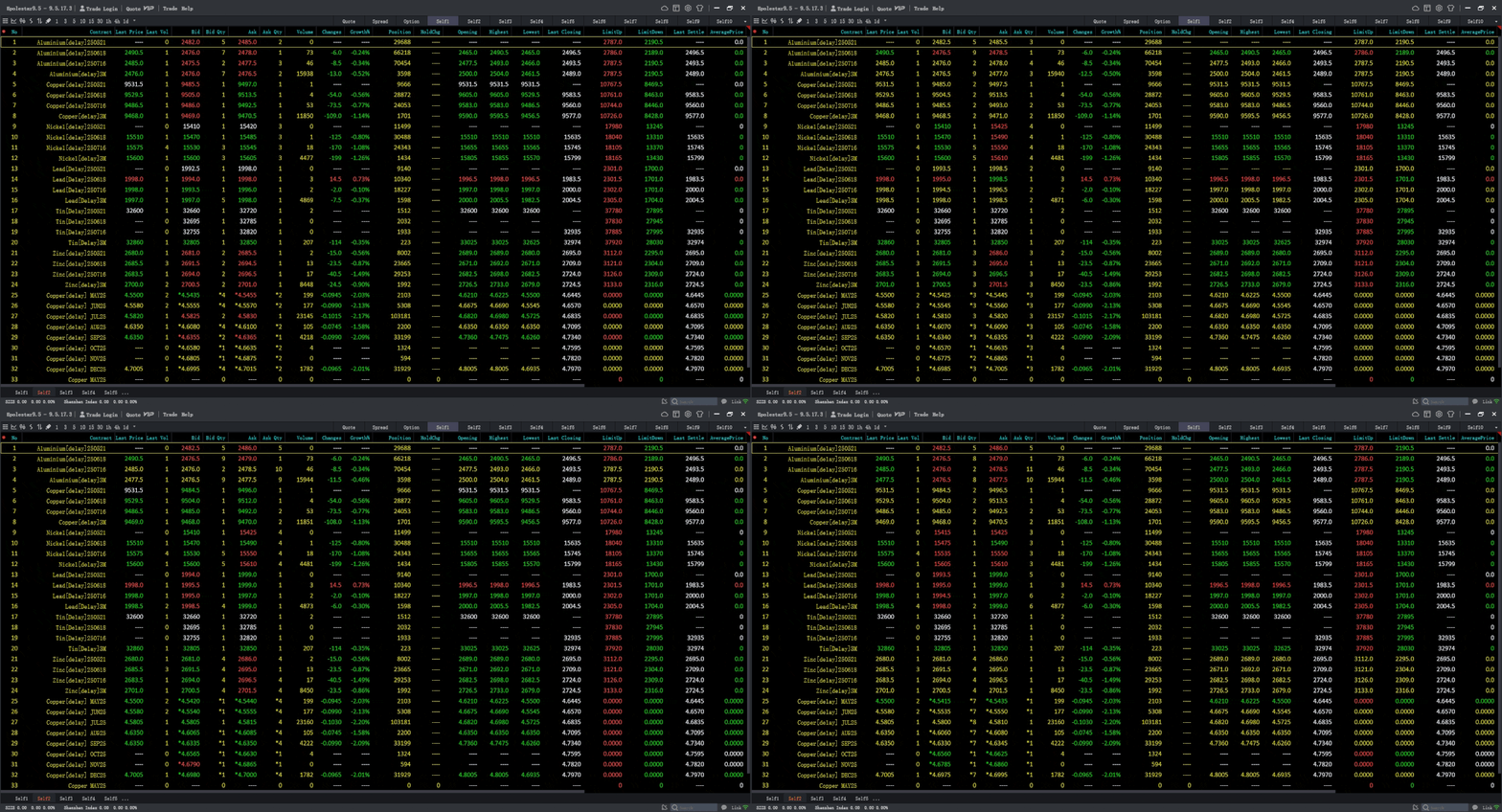
We provide a trading screen to all clients free of charge, allowing clients to track market prices in real-time and execute orders directly by themselves in all electronically traded markets - no hidden markups, no execution delays.
Technology
BANDS offers a wide range of platforms, including Esunny, CQG, and TT. For clients that require custom solutions we also provide API and FIX connectivity, while Esunny supports program trading through its Python integration.
Contact us
Cookie Consent
By clicking "Accept" you consent to our use of cookies on your device to analyse your site usage and enhance your user experience. Click on "Settings" to learn more about our cookie policy and customise your cookie settings.